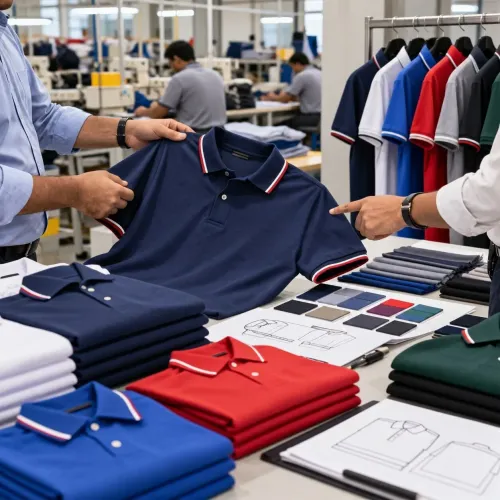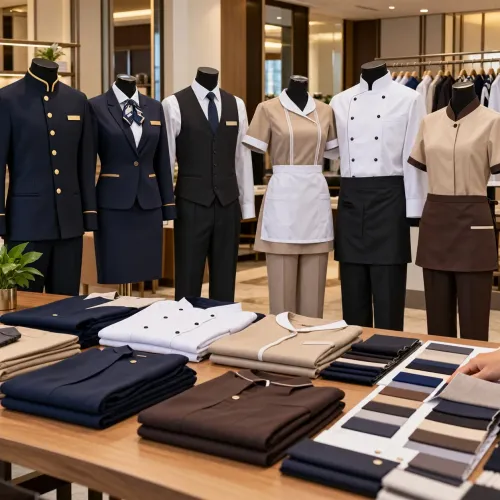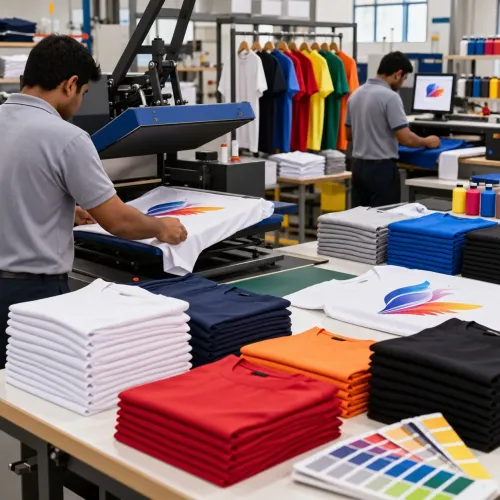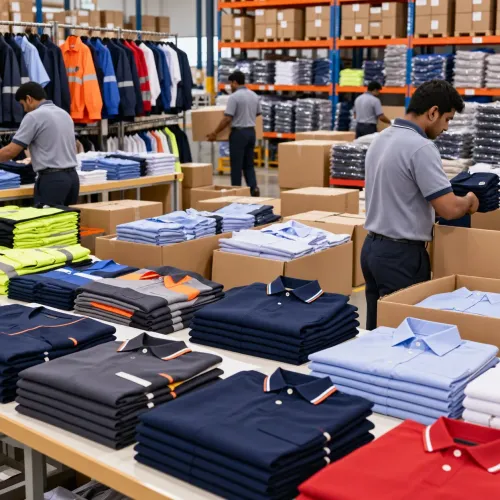


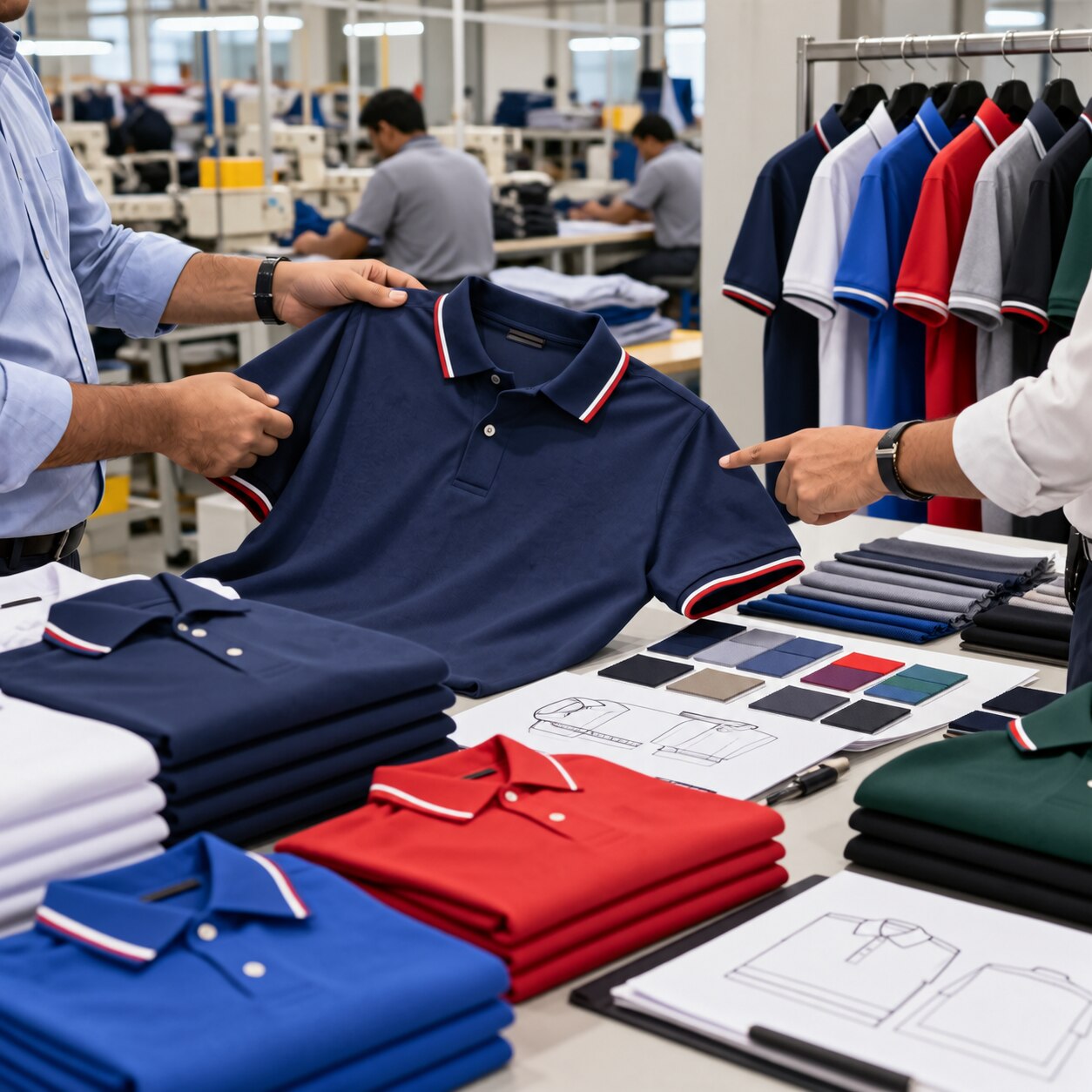
The right collar T-shirt depends on more than a logo and a colour: fabric weight, cut, collar recovery, decoration, and repeat-order control all affect whether team wear stays comfortable and presentable. By comparing garment construction, fit, sizing processes, branding methods, and supplier controls, you can prepare a specification that works for both office and field teams in Bangalore.
Key takeaways
- Choose polo shirts for active teams needing a relaxed, consistent appearance.
- Compare cotton, polyester, and blends by comfort, shrinkage, weight, and durability.
- Approve a washed sample for fit, collar shape, stitching, and logo placement.
- Request size charts, colour references, decoration samples, and repeat-order terms.
When Collar T-Shirts Suit a Team—and When Another Garment Works Better
Collar T-shirts suit teams that need a consistent, approachable appearance without the restriction of a tucked-in shirt. They work well for retail staff, cafés, reception teams, delivery coordinators, technicians visiting customers, and Bengaluru offices with regular movement.
Choose a fabric around 160–220 GSM: lighter versions improve ventilation, while heavier piqué holds its shape and appears more formal.
| Option | Best suited to | Choose something else when |
|---|---|---|
| Collar T-shirts | Customer-facing teams, events, retail, cafés, and mixed office-field roles | The role demands a strict business-formal appearance or certified protection |
| Formal shirts | Banks, hotels, corporate reception, sales meetings, and executive-facing work | Staff work outdoors, lift goods, or need rapid drying and easy movement |
| Crew-neck T-shirts | Warehouses, workshops, casual events, back-of-house teams, and physically active roles | Employees regularly meet customers and need a sharper visual hierarchy |
| Jackets | Air-conditioned offices, travel teams, conferences, and layered branding | Heat, outdoor labour, or frequent washing makes an extra layer impractical |
| Protective workwear | Construction, manufacturing, electrical work, kitchens, and chemical handling | The task has no hazards and comfort matters more than specialised protection |
When comparing formal shirts versus polo shirts, use the shirt for authority and the polo for mobility. Crew-neck T-shirts for workwear are practical, but they look less structured unless the design, colour, and logo placement are tightly controlled. Professional team uniforms should match the actual task, not just the preferred appearance.
Compare Polo Fabrics by Comfort, Weight, Shrinkage, and Service Life
Cotton alone is not a complete purchase specification. Record fibre composition, knit construction, fabric mass in GSM, shade, collar and cuff construction, and whether the fabric is pre-shrunk or compacted.
For Bengaluru office and field uniforms, 160–220 GSM is a practical starting range: lighter cloth ventilates better, while heavier piqué usually holds its shape and looks more formal.
| Fabric or construction | Comfort and weight | Shrinkage, drying and service life | Best use |
|---|---|---|---|
| Cotton | Soft, breathable; weight varies widely | Can shrink and dry slowly; may fade or pill without good finishing | Air-conditioned offices and low-sweat work |
| Polyester | Light to medium; less absorbent, sometimes warmer | Dries quickly, resists shrinkage and fading; odour retention is the trade-off | Outdoor teams needing frequent washing |
| Cotton-polyester blend | Balances softness, strength and weight | Lower shrinkage and faster drying than cotton; durable for repeat wear | Cotton-polyester blend uniforms for mixed office and field use |
| Piqué | Textured, breathable surface; commonly 160–220 GSM | Holds a formal shape; check shrinkage and collar recovery | Piqué knit polo shirts for customer-facing teams |
| Jersey | Smooth, flexible and usually lighter | Comfortable but can twist, cling or lose shape sooner | Casual office teams and indoor work |
| Interlock | Smooth, soft and denser than jersey | Resists curling but can retain heat and reveal body fit | Cooler offices and premium-feel uniforms |
| Performance fabric | Engineered wicking, stretch or UV features | Fast drying and durable; verify snagging and colour retention | Active field roles |
Approve the actual bulk fabric, collar rib, buttons, thread and decoration method. Wash a sample using the intended laundering method, then measure chest and body length; excessive length loss makes replenishment sizes inconsistent. Retain a shade standard and check every dye lot under a stated light source, not a phone screen.
Approve the Fit, Collar, and Construction Before You Order in Bulk
Approve a physical sample on employees with different body shapes before releasing the bulk order. A supplier’s size range is not a usable specification: request a collar T-shirt size chart showing chest, body length, shoulder, sleeve length, sleeve opening, and collar dimensions, with stated garment tolerances.
| Fit | Best use | Check before approval |
|---|---|---|
| Men’s polo fit | Straighter torso and broader shoulders | Chest, shoulder, and body length do not restrict movement |
| Women’s polo fit | Shaped waist and narrower shoulder line | Bust allowance prevents pulling across the placket |
| Unisex polo fit | Shared allocation across employees | Shoulder seams and body width suit the widest range |
Compare men’s women’s and unisex polo fits on people who will wear them, not on a single model. Measure chest and shoulder measurements over a light work shirt, then allow movement without creating a loose, untidy body.
Inspect collar recovery and placket construction after repeated washing. The collar must return flat instead of curling, while the placket must stay straight, with secure buttons, even topstitching, and no puckering.
- Check open seams, skipped stitches, loose buttons, holes, stains, sleeve imbalance, and crooked plackets.
- Measure chest and body length before and after the intended laundering method; length loss quickly makes uniforms look short and replacement sizes inconsistent.
- Specify fibre composition, knit construction, fabric mass in GSM, shade, collar and cuff construction, and pre-shrunk or compacted status.
Test washing, rubbing, perspiration, and light separately. ISO 105-C06 covers laundering and ISO 105-X12 covers rubbing, which can reveal colour transfer onto trousers even after a polo passes washing.
Control Sizes, Colours, and Logo Decoration Across Every Batch
Create a bulk uniform size distribution from measured employee data, not a guessed percentage split. Record each person’s chest, preferred cut, issued size, exchange, and late-joiner requirement; ask the supplier to confirm garment quantity against size-wise quantities and state whether excess or short delivery is allowed. Retain this register for replacements.
- Approve one pre-production sample made from the actual bulk fabric, collar rib, buttons, labels, thread, and decoration method. Wash it using the team’s intended laundering method, then remeasure chest and body length; unexpected shrinkage makes later batches fit differently.
- Keep a physical approved shade standard, fabric-lot reference, artwork file, measurement chart, and trim record. Require Pantone colour matching uniforms against the retained standard under a named light source, such as D65 daylight, not a mobile-screen photograph.
- Put artwork size, placement tolerance, thread or ink specification, and the approved sample reference on the purchase order. Repeat orders must use the same pattern and records, even when the description has not changed.
Treat embroidery versus screen printing as a comfort and durability decision, not only a visual one. Dense embroidery can create a hot, stiff patch and pucker lightweight knits; printing can crack, bleed, or show through when curing or fabric colour is wrong.
| Method | Best use | Main control |
|---|---|---|
| Embroidery | Small logos on sturdy polos | Limit density and check puckering |
| Screen printing | Larger, bold designs | Confirm ink, curing, and colour coverage |
| Heat transfer | Names and detailed small graphics | Test adhesion after washing |
| Direct-to-garment printing | Detailed artwork on suitable cotton | Test wash fastness and fabric compatibility |
Use a Manufacturer Checklist Before Comparing Bangalore Quotations
A low quotation means little if the supplier cannot prove what you will receive. Ask collar T shirts manufacturers in Bangalore for records and test pieces, not assurances, before you compare totals.
1. Request a pre-production sample made with the actual bulk fabric, collar rib, buttons, thread, labels, and decoration method. Wash it to check shrinkage, colour change, logo distortion, pilling, opacity, and collar recovery. Record approval in writing as sample approval for uniforms.
2. Require a measurement chart for chest, body length, shoulder, sleeve length, sleeve opening, and collar dimensions. The chart must state garment tolerances; an “M” label alone cannot control fit.
3. Approve a physical shade standard and name the inspection light source. Ask how each dye lot will be checked, because photographs and mobile screens hide shade variation. Specify fibre composition, knit construction, GSM, collar and cuff construction, and pre-shrinking or compaction.
4. Ask for the production inspection plan and defect records. A proper uniform quality inspection checks open seams, skipped stitches, loose buttons, crooked plackets, uneven sleeves, holes, stains, logo placement, shade variation, and measurements across sizes and lots.
5. Confirm packaging details: individual size labels, carton counts, moisture protection, batch identification, and a packing list. Get the written process for reporting defects, replacement quantities, inspection deadlines, and transport costs.
Use this bulk polo shirt supplier checklist for Colors Inc and every competing quotation. The lowest unit price is not comparable when one offer excludes inspection, replacement support, or approved materials.
Related service
college uniforms We undertake uniforms stitching for both men and Women View service → |
Frequently asked questions
When are collar T-shirts suitable for team wear?
They suit retail, café, reception, delivery coordination, technician, and office teams that need a consistent appearance with freedom of movement. Choose a shirt, jacket, or formal woven shirt when the role requires greater formality, weather protection, or protective performance.
How should you compare polo shirt fabrics?
Compare cotton, polyester, and blended fabrics by fibre content, fabric weight, breathability, shrinkage after washing, colour retention, drying time, and resistance to pilling. A washed sample gives you more useful evidence than the fabric name alone.
What should you approve before ordering collar T-shirts in bulk?
Approve a sample for chest and body measurements, sleeve length, collar dimensions, button placement, seam quality, fabric appearance after washing, and logo size and position. Record the approved specifications before production.
How can you keep sizes, colours, and logos consistent across batches?
Use one measurement chart, a named colour reference, an approved logo artwork file, fixed decoration dimensions, and a retained physical sample. Request batch records and inspect the first pieces before accepting the full delivery.
What should you ask collar T-shirt manufacturers in Bangalore before comparing quotations?
Ask for fabric composition and weight, size chart, minimum order quantity, sample process, decoration method, colour references, production timeline, alteration policy, delivery terms, invoice details, and the process for repeat orders.