

Many organisations begin their uniform procurement by sourcing fabrics from one vendor, embroidery from another, stitching from a third, and delivery through separate logistics providers. While this approach may appear flexible, it often creates delays, inconsistent quality, and unnecessary administrative work.
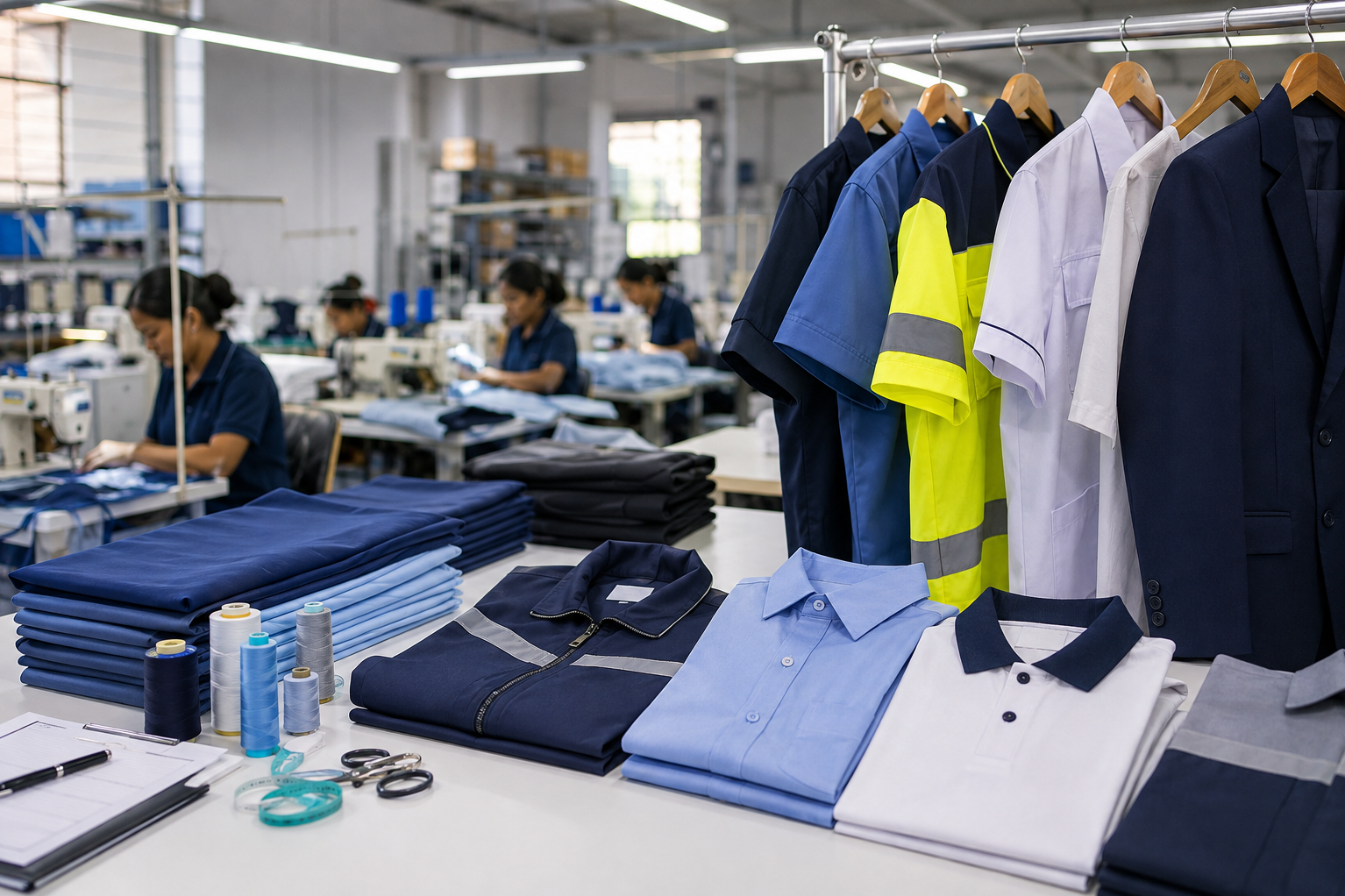
Partnering with one experienced uniform manufacturer offers a more efficient alternative. A single supplier can oversee the complete production process, ensuring consistency from design approval to final delivery. For businesses across Bangalore, Karnataka, this approach helps improve quality, simplify procurement, and build a reliable long-term supply relationship.
The Challenges of Managing Multiple Vendors
Working with several suppliers increases the number of approvals, communications, and quality checks required during production.
Common challenges include:
- Inconsistent fabric quality
- Colour variation between batches
- Delayed production schedules
- Uneven stitching quality
- Branding inconsistencies
- Difficulty coordinating deliveries
- Complicated repeat orders
These issues become even more significant as businesses grow and require larger production volumes.
Advantages of a Long-Term Manufacturing Partner
A dedicated manufacturing partner becomes familiar with your organisation's branding, sizing, and operational requirements.
This results in several long-term benefits.
Consistent Brand Identity
Uniform colours, embroidery, and garment styles remain consistent across every production batch.
Simplified Procurement
HR and procurement teams communicate with one supplier instead of managing several vendors.
Faster Repeat Orders
Approved patterns, measurements, and production records are already available, reducing turnaround time.
Reliable Quality Standards
Uniforms follow the same manufacturing process regardless of order size.
Better Planning for Workforce Growth
Growing businesses regularly recruit new employees, open additional branches, or introduce new departments.
A dependable manufacturing partner can support expansion by offering:
- Flexible production quantities
- Consistent fabric availability
- Quick replenishment orders
- Standardised sizing
- Department-specific customisation
This ensures new employees receive uniforms that match existing teams.
Uniform Programs That Adapt to Different Industries
Every industry has different operational requirements.
A versatile manufacturer can produce:
- Corporate uniforms
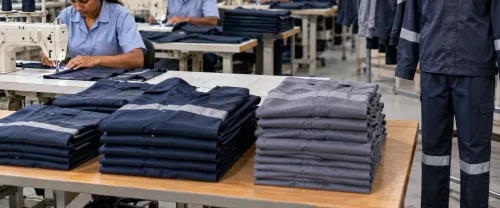
- Industrial workwear
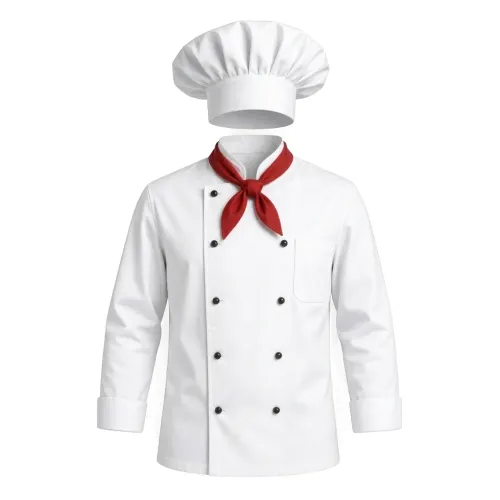
- Healthcare apparel
- Hospitality uniforms
- School and college uniforms
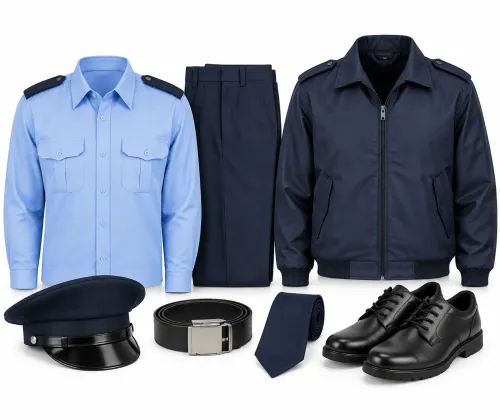
- Security uniforms
- Restaurant clothing
- Retail staff uniforms
- Facility management uniforms
- Promotional apparel
Managing these requirements through one supplier creates consistency while reducing procurement complexity.
What Defines a Reliable Manufacturing Partner?
When evaluating uniform manufacturers, businesses should look beyond production capacity.
Important qualities include:
- Strong industry experience
- Design support
- Fabric expertise
- Quality assurance systems
- Bulk production capability
- Timely delivery
- Transparent communication
- Long-term service commitment
These factors help establish a productive partnership rather than a one-time purchasing relationship.
The Value of Consistent Quality
Employees notice when uniforms vary in colour, fit, or fabric quality. Customers notice it too.
Maintaining consistent manufacturing standards helps organisations:
- Present a professional image
- Improve employee confidence
- Reduce replacement costs
- Strengthen corporate branding
- Simplify inventory management
- Enhance customer trust
Uniform consistency becomes an extension of the company's commitment to quality.
Supporting Organisations Across Bangalore
Businesses throughout Bangalore increasingly prefer manufacturers capable of supporting complete uniform programs rather than isolated production orders.
Companies such as Colors Inc work with organisations across corporate, industrial, healthcare, hospitality, and educational sectors by delivering customised uniforms backed by consistent production standards and dependable service. Their ability to manage ongoing uniform requirements allows businesses to focus on daily operations instead of coordinating multiple suppliers.
Selecting a trusted long-term manufacturing partner helps organisations streamline procurement, maintain professional branding, and ensure employees receive uniforms that reflect the quality and values of the business.