

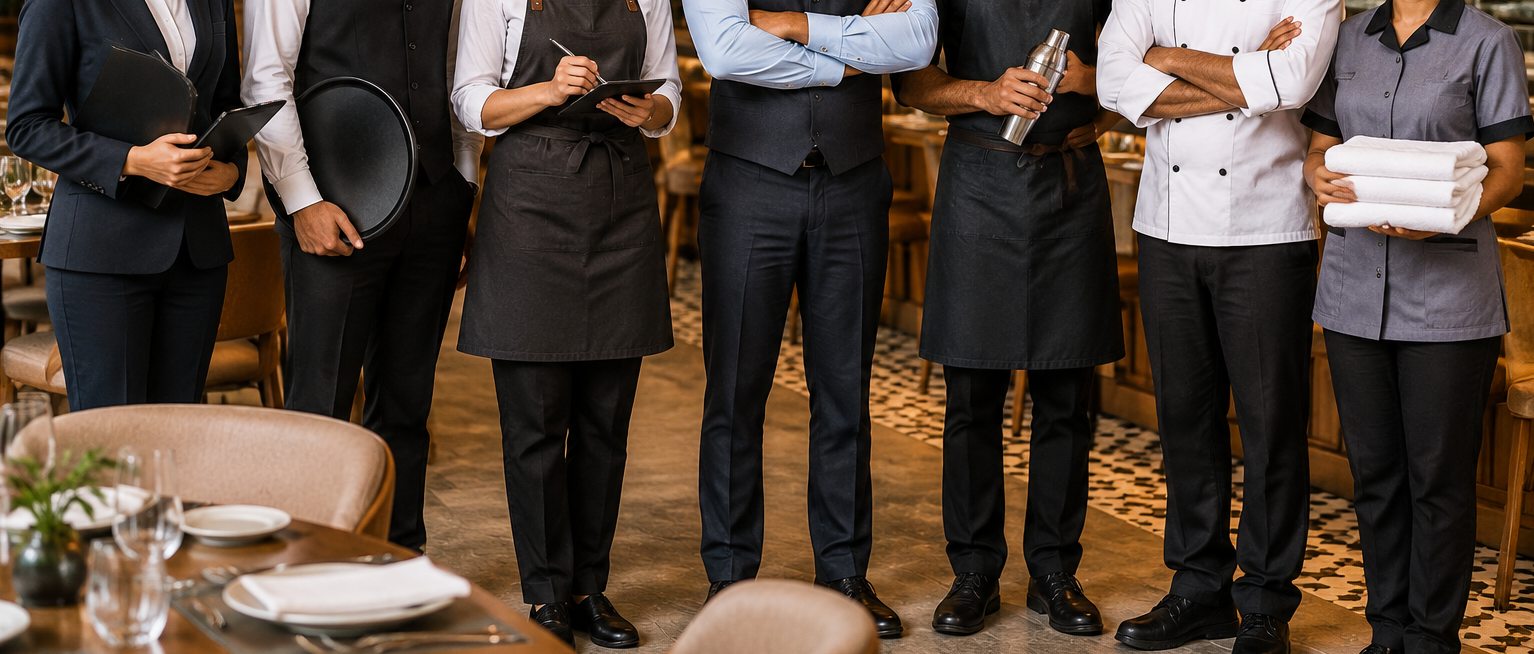
Restaurant uniforms influence both employee comfort and the way customers identify different members of the service team. Hosts, servers, supervisors, bartenders, cashiers, housekeeping personnel, and kitchen employees may all require clothing, but their roles are different enough that one generic uniform rarely works equally well for everyone.
Restaurants assessing restaurant staff uniform suppliers in Bangalore should therefore evaluate potential providers against the needs of the complete operation.
Look for Role-Based Uniform Planning
A supplier should be able to work from employee roles rather than treating every requirement as the same garment with a different logo.
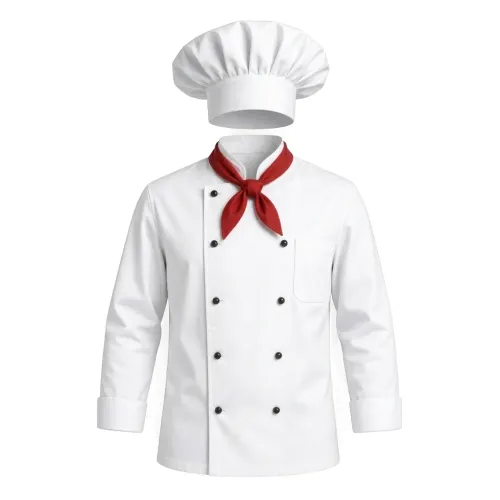
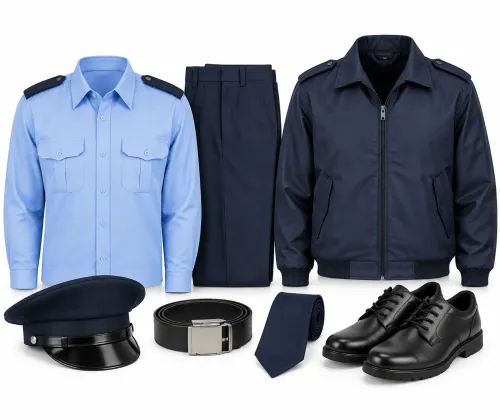
Front-of-house staff may need polished shirts, trousers, waistcoats, dresses, aprons, or polo styles depending on the restaurant concept. Kitchen and support personnel generally have different practical requirements.
The uniform system should help customers distinguish employees while still creating one recognizable brand identity.
Evaluate Whether the Design Fits the Restaurant Concept
Uniforms should feel appropriate to the dining environment.
A fine-dining restaurant may prefer understated formal clothing. A café could use casual branded shirts and aprons. A quick-service outlet may prioritize simple, easy-maintenance garments, while a themed restaurant may incorporate distinctive design elements.
The strongest uniform concepts are usually those that reflect the venue naturally rather than appearing like unrelated promotional merchandise.
Ask Practical Fabric Questions
Restaurant employees can spend long shifts walking, standing, carrying items, and moving between service areas.
When reviewing fabrics, ask about:
- Comfort
- Breathability
- Washing requirements
- Colour retention
- Shrinkage
- Fabric weight
- Suitability for frequent use
Bangalore restaurants should also consider whether employees work mainly in air-conditioned interiors, open dining spaces, outdoor areas, or a combination of environments.
Review Samples Before Approving Large Quantities
A sample is particularly useful when a restaurant is introducing a new uniform across a large team or several outlets.
The management team can assess the garment while employees can comment on movement and fit.
Check the sample under actual workplace lighting because fabric colours can look different from digital representations.
Branding size and position should also be reviewed before bulk production.
Examine Size Management
Ask potential suppliers how they handle employee measurements and size distribution.
A standardized size chart is important, but fitting samples can provide additional confidence for larger teams.
Restaurants should also plan for new employees. Keeping a limited buffer of common sizes can help with immediate onboarding, while a reliable repeat-order process handles longer-term requirements.
Check Consistency for Multi-Outlet Operations
Restaurant groups operating several locations in Bangalore or elsewhere in Karnataka need consistency across batches.
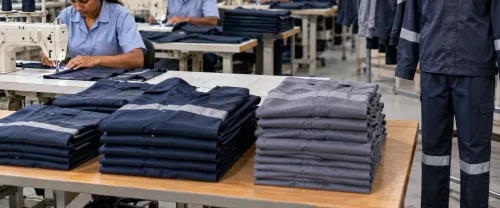
Before appointing a provider, ask how garment specifications, fabrics, logo artwork, colours, and customization details will be recorded.
If another 25 uniforms are required months later, the restaurant should ideally be able to reference the approved specification instead of recreating the uniform from memory.
Compare Total Value Rather Than Only Unit Cost
Price matters in bulk procurement, but quotations should be compared on equivalent specifications.
Check whether pricing includes customization, different sizes, artwork setup, individual names, packaging, or other requirements.
An apparently lower quotation may represent a different garment or exclude elements included by another supplier.
Colors Inc provides customized uniforms for hospitality and organizational requirements in Bangalore. Restaurants approaching the company can prepare quantities by role and size, along with fabric expectations, colour references, artwork, and delivery requirements, to make the discussion more productive.
Choosing among restaurant staff uniform suppliers in Bangalore is ultimately about establishing a repeatable uniform program rather than completing a single clothing order.
A suitable provider should be able to translate the restaurant's identity into garments that employees can comfortably use during real shifts. When role requirements, fabric, sizing, branding, sample approval, and repeat supply are addressed before production, restaurants can build a more consistent uniform system for both current employees and future team growth.