

Formal shirts remain an important part of workplace uniforms across offices, hotels, front desks, sales organizations, aviation services, corporate facilities, and customer-facing businesses. They provide a structured appearance while allowing organizations to standardize employee presentation.
Businesses comparing Formal shirts Manufacturers in Bangalore should consider whether a shirt can maintain its professional appearance during everyday work, not simply how it looks when first supplied.
Decide How Formal the Workplace Needs to Be
Not every organization requires the same style.
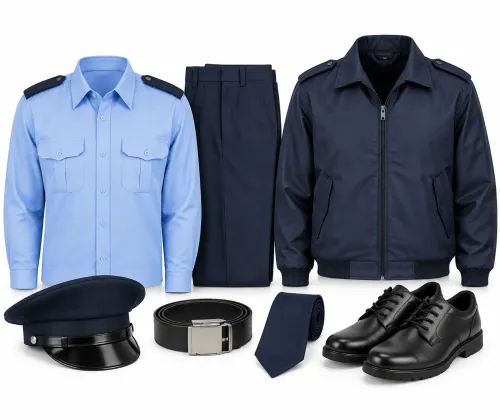
A hotel reception team may need a more structured appearance than a back-office department. Sales professionals who travel throughout Bangalore may prioritize comfort and easier maintenance. Customer-facing employees may require coordinated shirts, trousers, jackets, ties, or other accessories.
Start by defining the expected dress level and then develop the shirt around that requirement.
Fabric Has a Major Impact on Wearability
Formal shirts are often worn for eight hours or more. Fabric should therefore be evaluated for comfort as well as appearance.
Businesses can consider factors such as:
- Fabric composition
- Breathability
- Weight
- Wrinkle behaviour
- Washing requirements
- Colour stability
- Overall feel against the skin
Bangalore's climate and employees' travel patterns should be considered when uniforms are worn outside controlled office environments.
Fit Should Be Professional Without Restricting Movement
Uniform shirts need to work for employees with different body shapes.
An extremely fitted style may look contemporary but may not be comfortable for every wearer. At the other extreme, excessive looseness can undermine the professional appearance the organization is trying to create.
A balanced uniform fit should allow employees to sit, reach, walk, and perform routine tasks comfortably.
For large teams, size trials can help determine an appropriate size distribution.
Small Design Decisions Make a Difference
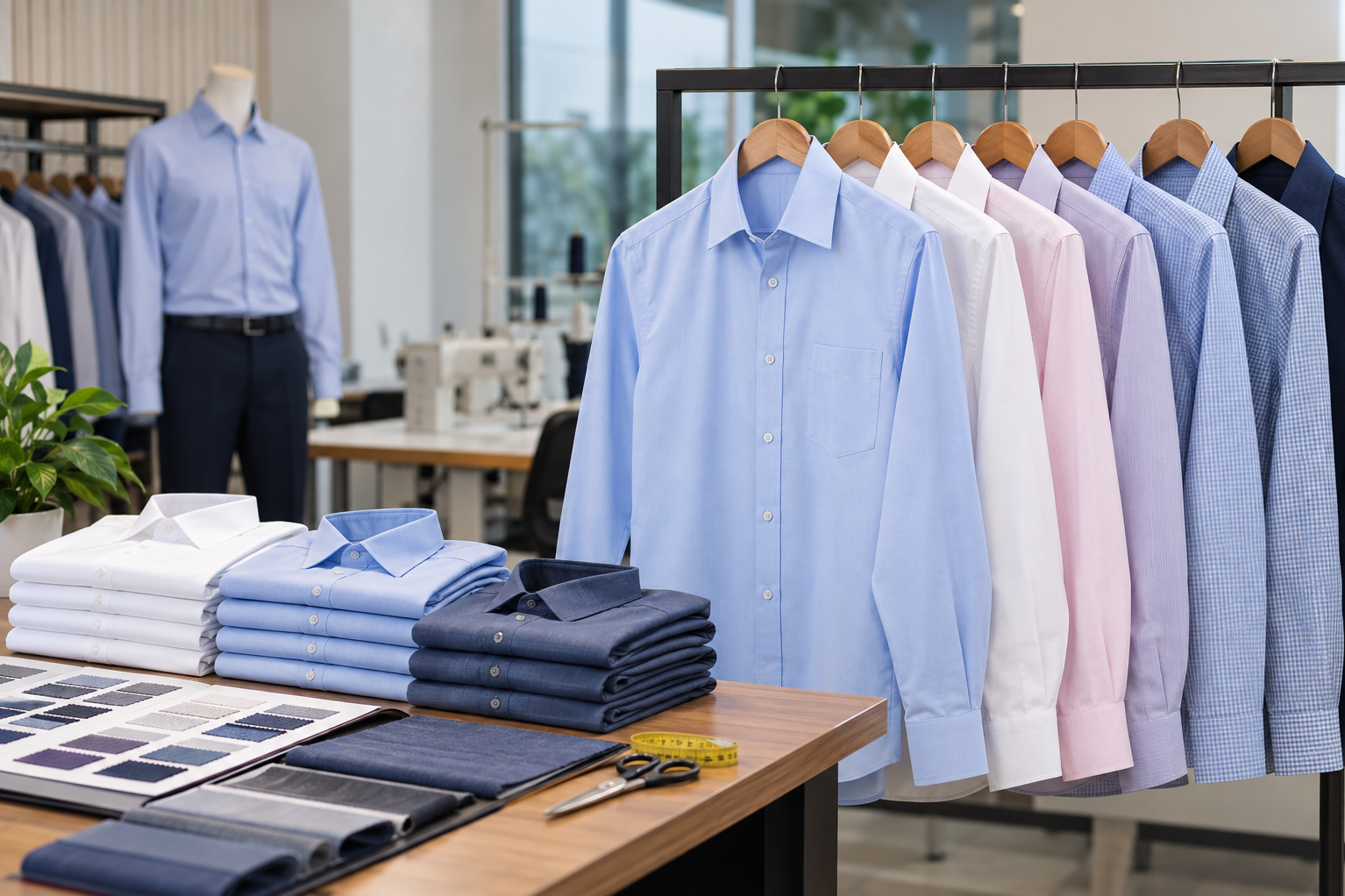
Collar shape, cuff style, button selection, pocket placement, sleeve length, and shirt-tail construction all influence the finished garment.
Organizations should also decide whether shirts will be tucked in as part of the dress code.
Colour should coordinate with trousers, skirts, jackets, ties, scarves, or other uniform elements where applicable. Selecting each item independently can result in an inconsistent final appearance.
Branding Can Remain Subtle
Not every formal uniform shirt needs a large logo.
Depending on the organization, a small embroidered logo, employee name, or department identification may be sufficient. Some corporate environments may prefer an unbranded shirt used alongside other identifying elements.
The decision should reflect the employee's role and the company's visual standards.
Standardization Helps Growing Organizations
Companies with multiple departments or branches can simplify future purchasing by creating an approved formal-shirt specification.
Document the selected fabric, shade, style, size chart, logo placement, and any customization.
This makes it easier to order shirts when employees join or existing garments require replacement.
Colors Inc works with organizations requiring customized uniforms in Bangalore, including formal workplace clothing. Companies evaluating Formal shirts Manufacturers in Bangalore can improve supplier discussions by preparing a detailed specification covering employee roles, quantities, sizes, fabric expectations, branding, and intended usage.
A formal shirt may appear to be one of the simplest uniform garments, but small differences in fit, fabric, construction, and maintenance can become noticeable when dozens or hundreds of employees wear the same design.
For businesses across Bangalore and Karnataka, selecting shirts around real working conditions helps create a uniform program that supports professional presentation without overlooking employee comfort and practical day-to-day use.