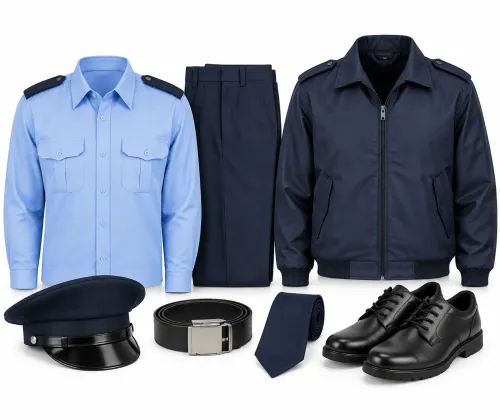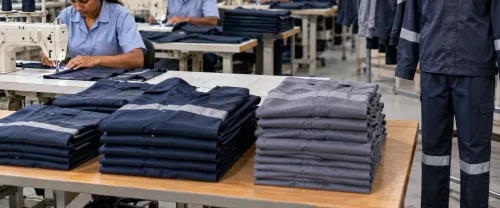


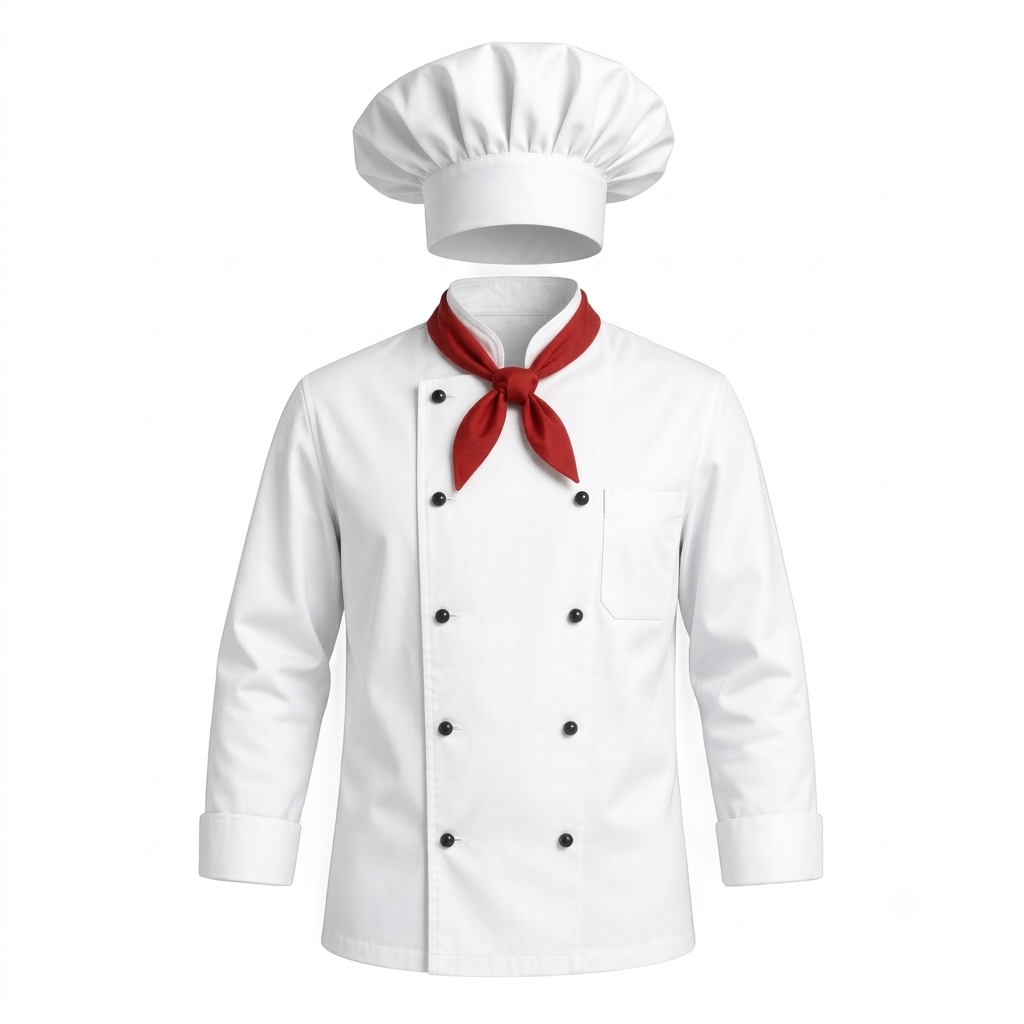
Chef uniforms have to function in an environment where employees work around heat, food preparation areas, equipment, and continuous kitchen activity. At the same time, open kitchens, live counters, hotels, catering operations, and premium restaurants increasingly make culinary teams visible to customers.
For hospitality businesses evaluating chef uniform manufacturers in Bangalore, the best time to define garment requirements is before requesting bulk quotations.
Begin With the Kitchen Environment
A standalone restaurant kitchen, five-star hotel, bakery, cloud kitchen, institutional canteen, and catering operation can have very different working conditions.
Uniform decisions should reflect the actual workplace.
Consider how long employees work in the garment, the kitchen temperature, how frequently uniforms are washed, and whether chefs regularly appear in guest-facing areas.
This information can guide decisions about garment style and fabric.
Decide Which Roles Need Different Uniforms
Not everyone in a commercial kitchen necessarily needs the same design.
Businesses may want different visual identities for:
- Executive chefs
- Sous chefs
- Line cooks
- Bakery teams
- Kitchen assistants
- Live-counter chefs
Differences can be created through garment colour, piping, embroidery, apron style, or other controlled details.
Keeping the design system simple makes replacement ordering easier.
Comfort Is Critical in a Hot Workplace
Kitchen employees may spend hours standing and moving in warm environments.
Fabric should therefore be evaluated carefully. An excessively heavy garment may be uncomfortable, while a poorly constructed lightweight garment may not meet the organization's durability expectations.
The chef coat or shirt should allow normal arm and upper-body movement during preparation and service.
Sleeve length, closure style, fit, and ventilation-related design choices should all be discussed according to the workplace.
Maintenance Should Influence Fabric Selection
Kitchen garments can require frequent laundering because they are exposed to food, oils, sauces, and other everyday kitchen conditions.
Businesses should ask how the proposed fabric should be washed and whether it is suitable for the organization's laundry process.
Colour is another consideration. Traditional white chef uniforms provide a recognizable culinary appearance, but many contemporary hospitality businesses also use black, grey, or brand-aligned combinations.
The choice should reflect both presentation and practical maintenance.
Branding Should Complement the Garment
Restaurant or hotel logos can be embroidered or otherwise applied where appropriate.
Executive chef names or job titles may also be included.
Branding should remain readable and proportional. A small, well-positioned identity often looks more professional than oversized decoration.
Before production, approve the spelling, logo artwork, placement, and dimensions.
Check Sizing and Replacement Availability
Hospitality businesses can experience regular staffing changes. A uniform program therefore needs to accommodate new employees without requiring the entire design process to begin again.
Organizations comparing chef uniform manufacturers in Bangalore should ask how approved garment details are maintained for repeat orders.
Colors Inc works with hospitality organizations requiring customized uniforms in Bangalore. Restaurants and hotels can simplify discussions by preparing a requirement covering staff categories, garment types, quantities, sizes, colours, branding, and desired delivery schedule.
Bangalore's hospitality sector includes everything from independent restaurants and cafés to hotels, catering companies, institutional kitchens, and food-service operations. Each needs chef clothing suited to its particular environment.
Selecting a chef uniform should therefore involve more than choosing a traditional jacket from a catalogue. When comfort, laundering, kitchen conditions, staff hierarchy, branding, and future replacements are considered together, businesses can establish a uniform system that is practical for the kitchen and consistent with the hospitality experience they want to present.